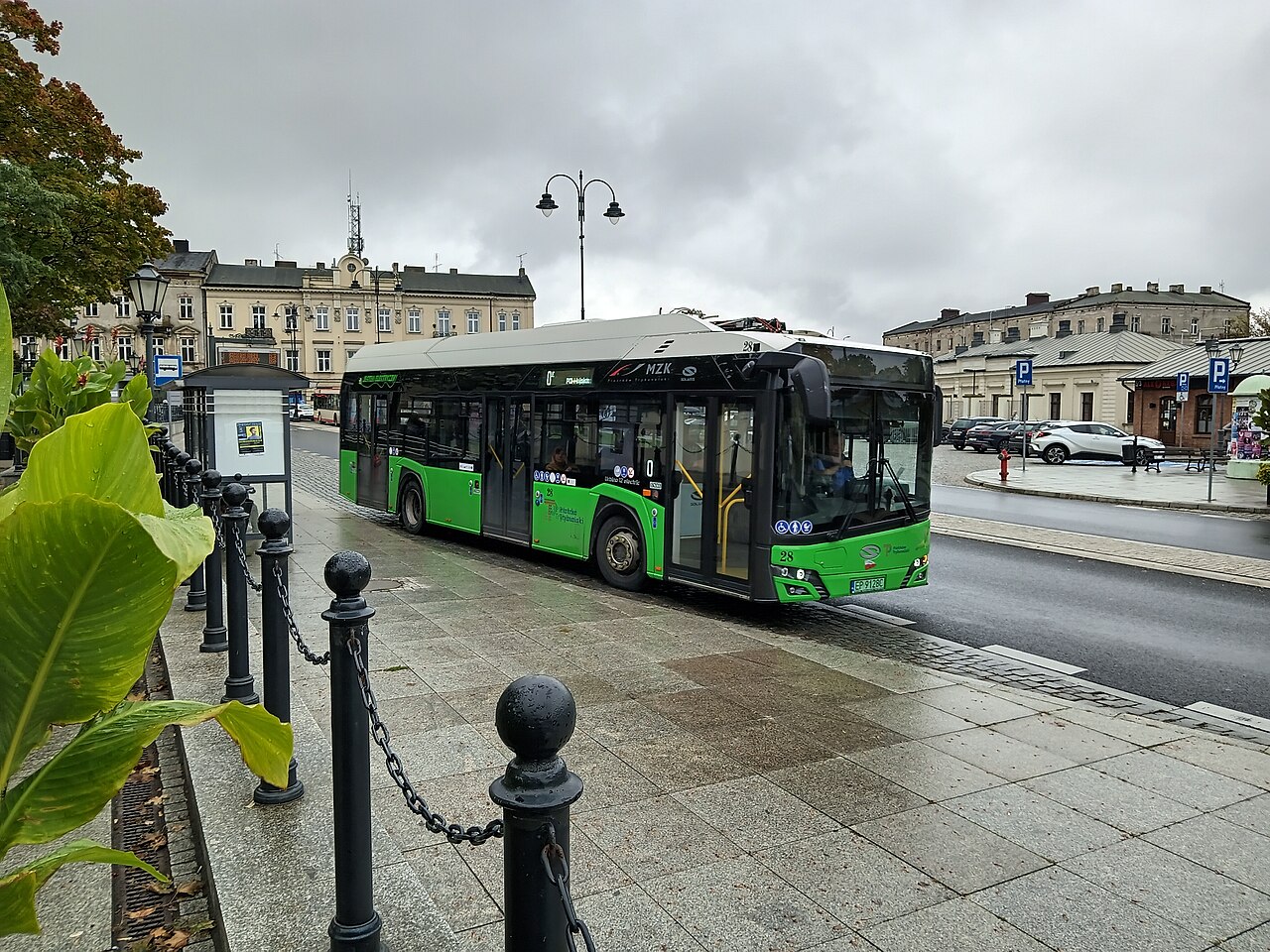
The first thing passengers notice about an electric bus is the silence. Pulling away from a stop without the growl and shudder of a diesel engine changes the feel of a whole street, and it is one reason cities are replacing their bus fleets at a pace that would have seemed unlikely a decade ago. Falling battery prices, cleaner air rules and pressure to cut transport emissions have turned the electric bus from a pilot project into a procurement plan in towns across several continents.
Cheaper to Run, Harder to Charge
The economics increasingly favour electricity. Electric buses cost more to buy, but they have far fewer moving parts, need less maintenance and run on fuel that is usually cheaper per kilometre than diesel. Over a typical service life, many transport authorities now calculate that the totals are close or better, especially where buses cover long daily distances. Braking systems that recover energy add further savings in stop-start city traffic, and the smoother ride is popular with drivers who spend whole shifts at the wheel.
Charging is the complicated part. A depot serving two hundred buses needs serious electrical capacity, and upgrading it can take longer than delivering the vehicles. Operators are experimenting with overnight charging, faster top-ups at terminuses and scheduling software that matches each bus’s battery level to its next route. Transport planners who share data through bodies such as the International Transport Forum warn that fleets fail when vehicles arrive before the power supply, chargers and trained technicians are ready.
Cleaner Air Where People Actually Breathe
The health case is strongest on busy streets. Buses run all day through the neighbourhoods where people live, shop and wait at kerbsides, so removing their exhaust emissions improves air quality exactly where exposure is highest. Quieter streets benefit nearby homes and make conversation at stops possible again. There are honest caveats: batteries require mined materials, electricity is only as clean as the grid producing it, and old vehicles must be retired rather than sold on to pollute elsewhere.
Even so, the direction of travel is clear. Each new depot wired for charging makes the next order easier, and each year of operating data makes the savings less theoretical. For passengers, the revolution arrives quietly, in both senses: a bus that glides up to the stop, opens its doors with a hiss, and leaves behind nothing louder than its tyres on the road.
Riders are also noticing smaller comforts that rarely make it into policy papers: less vibration at the back seats, easier conversation on board, and stops that no longer fill with fumes while people queue to board. Drivers report arriving home less tired, and residents on busy routes say the change is noticeable even indoors, where the low rumble through windows on early morning services has faded. Such everyday improvements build public support for the investment in a way that emissions statistics alone rarely achieve, and they help explain why passengers often become the strongest advocates for completing the transition once the first routes have switched to electric power.
