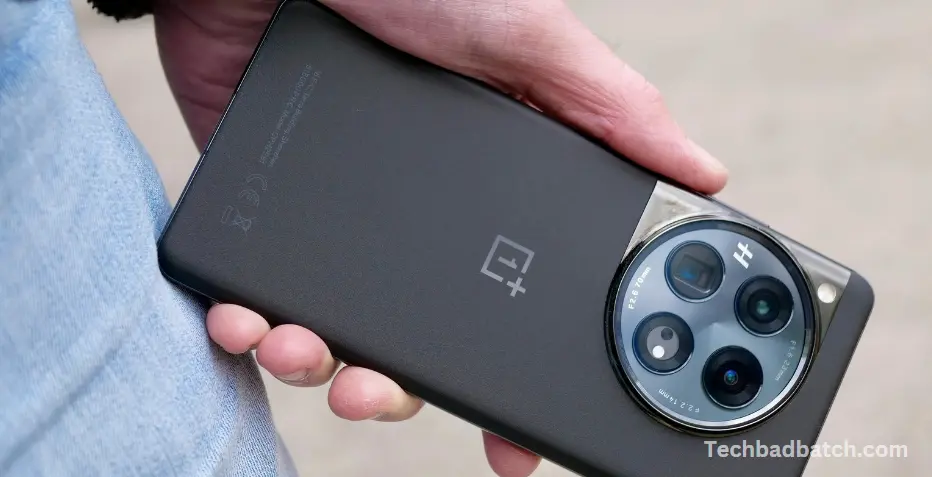
The OnePlus 13 has officially arrived, and for fans of the brand, it brings a highly anticipated design change: a flat display. After years of curved edges on its flagship devices, OnePlus has listened to user feedback and returned to a more traditional flat-screen design. This move marks a significant shift in the company’s approach to smartphone aesthetics and usability. The OnePlus 13’s flat display promises a more comfortable grip, fewer accidental touches, and a sleek, modern look that appeals to users who prefer a more classic, symmetrical form. But the changes don’t stop there — the phone also packs cutting-edge specs and new features that make it a true powerhouse. Let’s dive into what makes the OnePlus 13 so exciting for both long-time fans and new users alike.
Let’s explore why the OnePlus 13’s flat display is such a pivotal design choice and what it means for the brand’s future.
A Return to Simplicity
The most immediate and noticeable change in the OnePlus 13 is the shift to a flat screen, something that will appeal to a growing number of users who have long preferred the practicality and comfort of flat displays. Curved screens, while visually striking, can sometimes lead to unintended touches, especially at the edges of the screen. Many users have complained that curved displays can feel awkward to use and may not offer the best ergonomics when it comes to gripping the phone.
With the OnePlus 13, the decision to return to a flat display might be seen as a return to simplicity. The move away from curves isn’t just about looks; it’s also about providing a more user-friendly experience. Flat screens allow for easier handling, better case compatibility, and a more straightforward, no-nonsense design that prioritizes function over form.
The Impact on User Experience
Curved displays undoubtedly provide an immersive visual experience with their wider viewing angles and aesthetic appeal, but they can come with their fair share of trade-offs. One of the most common complaints about curved displays is that they are more prone to accidental touches, primarily when the phone is held in one hand. Many users have experienced “palm rejection” issues where their hand inadvertently interacts with the screen’s edges while holding the device, causing unintentional actions.
Moreover, curved displays can sometimes make the device feel more fragile, as the edges are more susceptible to damage from drops. With the OnePlus 13 adopting a flat screen, users may appreciate the increased durability and fewer distractions from accidental inputs.
Additionally, flat displays allow for easier navigation. Content or icons are not distorted at the edges of the screen, making for a cleaner and more consistent viewing experience. For tasks like reading, watching videos, or browsing, the flat panel ensures that the content remains sharp and undistorted all the way to the edges.
Enhanced Durability and Repairability
The decision to ditch the curves also contributes to increased durability. Phones with curved edges often have more delicate areas, making repairs or screen replacements a bit more complicated and expensive. With a flat-screen, it’s easier to protect the phone with cases that don’t have to account for the curve. Additionally, flat displays typically cost less to replace due to their more straightforward design.
OnePlus also emphasizes that the OnePlus 13’s flat design will be more resistant to accidental drops, as the absence of curved edges means there’s less surface area that can come into contact with the ground.
May you also like it:
Favorite Android Apps To Replace Google Podcasts
Google Pixel 10 Codenames 2025 Report
Google Fumbled The Find My Device Network So Badly
Aawireless Two Hands On Wireless Android Auto Adapter
Aesthetics and Design Philosophy
A flat display doesn’t mean sacrificing style, however. OnePlus has made sure that the OnePlus 13 maintains a sleek, premium aesthetic, even without the curves. The display still features ultra-slim bezels, offering a clean and modern look. It’s worth noting that OnePlus has opted for a minimalistic approach, combining polished aluminum frames and Gorilla Glass protection to ensure the phone feels premium while offering a visual appeal that is both contemporary and practical.
By moving to a flat display, OnePlus is subtly challenging the notion that only curved screens belong in flagship devices. The company appears to be embracing a more minimalist, utilitarian design philosophy with the OnePlus 13, where form follows function without sacrificing performance.
A Reaction to Market Trends
The flat display trend isn’t limited to OnePlus. In fact, it signals a broader shift within the smartphone industry toward returning to simpler, more practical designs. Apple, with the launch of the iPhone 12, notably moved away from the curved-edge design that had been characteristic of the iPhone X and XS, opting for sharp, flat edges instead. Samsung, too, is showing signs of shifting away from its signature curved displays with its recent Galaxy Z Fold and Z Flip devices, both of which feature flatter designs.
The success of these devices has shown that consumers are increasingly appreciating phones that focus on functionality, durability, and usability rather than just looking for cutting-edge screen designs. OnePlus appears to be betting on this growing trend with its flat display offering, which could appeal to a wider audience, particularly those who prioritize ease of use over flashy visuals.
What About the Display Quality?
Despite moving to a flat screen, OnePlus has ensured that the display quality of the OnePlus 13 remains top-notch. The device features an AMOLED panel with vibrant colors, deep blacks, and high contrast, providing an excellent viewing experience for media consumption, gaming, and day-to-day tasks.
The OnePlus 13’s display also boasts a high refresh rate, providing a smooth scrolling experience that matches the top-tier standards set by its competitors. So, even with a flat design, users are still getting a display that rivals the best in the industry.
Frequently Asked Questions
Why did OnePlus switch to a flat display on the OnePlus 13?
OnePlus switched to a flat display based on user feedback and growing trends in the smartphone industry. Many users felt that the curved edges on previous models, while aesthetically pleasing, were prone to accidental touches and could make the phone harder to grip. The flat display offers a more traditional, ergonomic design that some find more practical and comfortable for daily use.
Does the OnePlus 13 still have the same premium build quality?
Yes, despite the switch to a flat display, the OnePlus 13 retains its high-end build quality. It continues to feature a premium metal frame, Gorilla Glass protection on both the front and back, and an overall sleek design. The flat screen does not compromise its premium feel.
Is the display still OLED?
Yes, the OnePlus 13 still boasts an OLED display, delivering vibrant colors, deep blacks, and high contrast ratios. The flat design doesn’t affect the display technology, so users can still expect a stunning visual experience with sharpness and clarity.
How does the flat display impact the overall design?
The flat display gives the OnePlus 13 a more symmetrical, classic look, with less emphasis on curves and more focus on clean lines and balance. While some may miss the dynamic edge curves of previous models, others will appreciate the refined, minimalist aesthetic.
Will this change affect the OnePlus 13’s performance or battery life?
No, the switch to a flat display has no impact on the device’s performance or battery life. The OnePlus 13 still comes equipped with top-tier internals, including the latest processor, ample RAM, and a high-capacity battery. The change is purely a design shift, with no effect on the device’s core performance.
Will this flat display design become the new norm for OnePlus?
OnePlus will likely continue using the flat display design on future models, especially considering the positive feedback from users who prefer it. However, OnePlus has a history of experimenting with different designs, so future models could still feature variations depending on market demand and technological advancements.
Is the OnePlus 13’s flat display more complicated to repair than the curved models?
Flat displays are generally easier and less expensive to repair than curved screens, as there’s less complexity in their construction. In the event of a cracked screen, repair costs may be lower, and it may be easier for technicians to replace just the screen without worrying about the curvature.
Does the flat display have the same high refresh rate as previous OnePlus models?
Yes, the OnePlus 13 continues to offer a high refresh rate, likely 120Hz or higher, ensuring smooth scrolling and responsive touch input. The switch to a flat display does not affect the phone’s screen performance or refresh rate.
Conclusion
The introduction of a flat display on the OnePlus 13 marks a significant design shift for the brand, catering to users who prefer a more traditional, ergonomic form factor. While OnePlus had previously embraced curved-edge displays for a more futuristic aesthetic, this new design decision reflects the growing demand for practical usability and enhanced comfort. With its sleek, symmetrical appearance, improved grip, and fewer accidental touches, the flat display on the OnePlus 13 is a welcome change for many.
Despite the design shift, OnePlus maintains its commitment to delivering high-end performance, a vibrant OLED display, and premium build quality. The change does not compromise the phone’s specifications or features, making it a balanced combination of style and functionality.
